
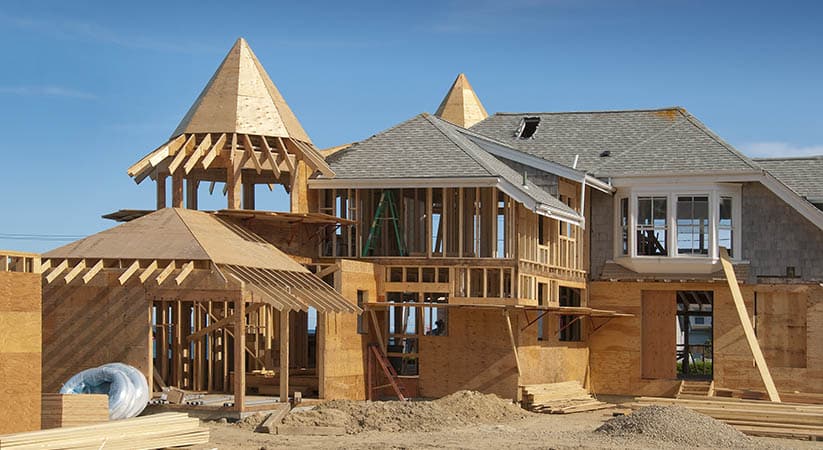
Professional ready mix concrete suppliers play a crucial role in ensuring that construction projects receive consistent, high-quality concrete formulations that meet specific engineering requirements while maintaining the strict timing schedules that keep projects on track and within budget constraints.
Fundamental properties and characteristics
The remarkable success of concrete in construction applications stems from its unique chemical and physical properties that develop through the hydration process between cement, water, and aggregates. When properly mixed and cured, concrete achieves compressive strengths that can exceed 10,000 pounds per square inch, making it capable of supporting massive structural loads while maintaining dimensional stability over decades of service. The material’s ability to be molded into virtually any shape or configuration during its plastic state allows architects and engineers to create complex geometries and innovative designs that would be impossible with traditional building materials.
Concrete’s durability characteristics make it particularly valuable for construction projects that must withstand harsh environmental conditions including freeze-thaw cycles, chemical exposure, and seismic activity. The dense, low-permeability matrix that forms during proper curing provides excellent resistance to water penetration and chemical attack that can compromise other building materials over time. Additionally, concrete’s fire resistance properties make it an essential material for structures where life safety and property protection are paramount concerns, offering superior performance compared to steel or wood construction alternatives in high-temperature exposure situations.
Structural applications and load bearing
In structural engineering applications, concrete serves as the primary load-bearing material for foundations, columns, beams, and slabs that form the skeleton of modern buildings and infrastructure systems. Reinforced concrete combines the compressive strength of concrete with the tensile strength of steel reinforcement to create composite structural elements capable of resisting complex loading conditions including gravity loads, wind forces, and seismic movements. This synergistic relationship between concrete and steel allows engineers to design efficient structural systems that maximize strength while minimizing material usage and construction costs.
Prestressed and post-tensioned concrete technologies extend the structural capabilities even further, enabling the construction of long-span structures like bridges, parking garages, and large commercial buildings without intermediate supports. These advanced concrete systems apply controlled compression forces that counteract tensile stresses, allowing for more economical designs and reduced structural depths that provide greater architectural flexibility. The ability to create monolithic structures through continuous concrete placement eliminates many joints and connections that can become weak points in other construction systems.
Infrastructure development and public works
Concrete infrastructure forms the foundation of modern society, providing the transportation networks, water systems, and utilities that support economic development and quality of life in communities worldwide. Highway systems rely on concrete pavements and structures that can withstand millions of heavy vehicle loads while providing smooth, safe driving surfaces that require minimal maintenance over their design lives. Bridge construction depends heavily on concrete’s ability to span long distances while resisting environmental degradation and providing decades of reliable service with minimal intervention.
Water treatment facilities, dams, and flood control structures utilize concrete’s impermeability and chemical resistance to contain and direct water resources while protecting communities from natural disasters. Underground infrastructure including tunnels, culverts, and utility vaults depend on concrete’s ability to resist soil and groundwater pressures while providing secure environments for critical systems. The durability and longevity of concrete infrastructure make it a sound investment for public agencies that must balance initial construction costs with long-term maintenance and replacement expenses.
Modern construction techniques and delivery systems
Contemporary construction practices have evolved sophisticated methods for placing and finishing concrete that maximize efficiency while ensuring quality control throughout the construction process. Concrete mix delivery Rockville systems have revolutionized construction scheduling by providing fresh, properly proportioned concrete exactly when and where it’s needed on job sites. Mobile batching plants and volumetric mixers allow contractors to adjust mix designs in real-time to accommodate changing site conditions or project specifications without delays or waste.
Pumping technology enables concrete placement in locations that would be impossible to reach with traditional methods, including high-rise construction, confined spaces, and remote locations where conventional delivery vehicles cannot operate effectively. Specialized finishing techniques including stamped concrete, exposed aggregate, and decorative treatments expand concrete’s aesthetic possibilities while maintaining its fundamental structural performance characteristics. These advances allow concrete to serve both functional and decorative roles in modern construction projects.
Quality control and testing standards
The construction industry relies on rigorous quality control measures and standardized testing procedures to ensure that concrete meets specified performance requirements throughout its service life. Comprehensive testing programs evaluate fresh concrete properties including slump, air content, and temperature to verify that materials meet design specifications before placement. Strength testing through cylinder breaks and core sampling provides ongoing verification that hardened concrete achieves required compressive strengths and durability characteristics.
Advanced testing methods including non-destructive evaluation techniques allow engineers to assess concrete quality and condition without damaging existing structures. These diagnostic tools help identify potential problems early while structures can still be repaired cost-effectively rather than requiring complete replacement. Standardized mix design procedures ensure that concrete formulations optimize performance while considering factors like workability, durability, and economy that affect both construction efficiency and long-term service life.
Environmental considerations and sustainability
Modern concrete production increasingly emphasizes environmental responsibility through the use of supplementary cementitious materials that reduce carbon emissions while improving concrete performance characteristics. Fly ash, slag cement, and silica fume provide opportunities to incorporate industrial byproducts into concrete while reducing the amount of Portland cement required for strength development. These materials often enhance concrete durability and workability while reducing the overall environmental footprint of construction projects.
Recycling programs for concrete demolition waste create opportunities to reuse aggregate materials in new construction applications, reducing the demand for virgin materials while diverting waste from landfills. Pervious concrete systems address stormwater management challenges by allowing water infiltration that reduces runoff and recharges groundwater supplies. The thermal mass properties of concrete contribute to energy efficiency in buildings by moderating temperature fluctuations and reducing heating and cooling demands throughout the year.
Economic impact and cost effectiveness
The construction industry’s reliance on concrete reflects its superior economic value compared to alternative building materials when considering both initial costs and life-cycle performance. Concrete’s abundant raw materials and widespread production capabilities help maintain competitive pricing while supporting local economies through quarrying, manufacturing, and transportation jobs. The material’s durability characteristics reduce maintenance costs and extend service lives that provide excellent returns on construction investments over time.
Conclusion
Labor efficiency in concrete construction continues to improve through mechanization and standardized practices that reduce placement time while improving quality consistency. The ability to create complex shapes and incorporate multiple building systems into single concrete elements reduces overall construction complexity and coordination requirements that can drive up project costs. These economic advantages make concrete an attractive choice for both public infrastructure projects and private development where cost control is essential for project viability.
The construction industry’s continued evolution depends heavily on concrete’s unique combination of performance, versatility, and economic value that supports everything from basic infrastructure to architectural masterpieces. As construction demands become more complex and environmental considerations gain importance, innovations in concrete technology and delivery systems continue to expand its applications and improve its sustainability. Professional ready mix concrete delivery Bethesda services ensure that construction projects have access to the precise concrete formulations they need while maintaining the quality standards and timing requirements that make successful project completion possible in today’s competitive construction environment.